
How to Choose Wallpaper: A No-Stress Guide
Working out how to choose wallpaper should be the fun part. Instead, you start Googling "pre-pasted vs unpasted", fall three cups of coffee deep into a rabbit hole, and end up more confused than when you started. If you've ever typed "what wallpaper won't fall off my bathroom wall" at 2am, you're in the right place.
The good news is that choosing wallpaper is much simpler once you know what to actually look for. So rather than baffle you with jargon, this is a no-stress guide to picking the right wallpaper for your room, your walls, and the way you live.

First things first: not all wallpaper is the same
This is the bit almost nobody tells you, and it's the single most useful thing to understand before you buy anything.
Wallpaper isn't one product. Every brand uses a different supplier, different materials, different weights and coatings, so two rolls that both say "traditional" can behave completely differently on your wall. One might be built to handle a steamy bathroom, another might be for dry rooms only. The name on the label won't tell you which.
So the real skill in choosing wallpaper isn't memorising types. It's knowing to check the product spec of the actual wallpaper you're looking at, especially what it says about humidity and the surface it needs. That one habit saves most of the mistakes people make, and it's exactly why so many people feel overwhelmed. They're comparing names, when they should be reading specs.

The five main types of wallpaper (and who each one suits)
There are five types you'll come across most often. Here's the honest version of what each is for. Three of them are what I offer, and I'll be clear about which.
Peel & stick
A woven, self-adhesive wallpaper. You peel off the backing and press it to the wall, no paste, no water. It's removable and repositionable, which makes it the go-to for renters, nurseries, and anyone who likes to change their mind. It suits dry and moderately humid rooms, bathrooms included, as long as it's away from direct water, and it needs smooth, clean walls to grip. One of the three I offer.

Pre-pasted
The adhesive is already on the back, so you just activate it with water and hang it. More permanent than peel & stick, but still very doable yourself. Smooth matte finish, happy in dry and moderately humid rooms including bathrooms, away from direct water. Another of the three I offer.

Traditional (non-pasted)
Proper paste-the-wall wallpaper, the kind your nan would recognise. You apply paste to the wall and hang the paper into it, which gives you a lovely workable window to line everything up. It's hard-wearing and ages beautifully, so it's the one for rooms you want to keep for the long haul. Worth knowing: my traditional paper is for dry spaces only, not steamy bathrooms. The third of the three I offer.

Vinyl
Tough, washable and moisture-resistant, vinyl shrugs off humidity and scrubbing, which makes it a sensible pick for proper wet rooms, high-traffic spaces and commercial settings like cafés and stairwells. The trade-off is that it's a plastic-based product, so it isn't the eco-friendly choice. I don't offer vinyl, but it earns its place where durability matters most.

Grasscloth
A natural wallpaper woven from real sisal fibres, with a gorgeous tactile texture that shifts in the light. It's made for feature walls in low-traffic rooms and usually wants professional installation. It doesn't like humidity, so it's not one for bathrooms. I don't offer grasscloth either, but if the texture has caught your eye, interior designers explain why they rate it so highly, and I've written a full guide to grasscloth wallpaper separately.

So of the five, my designs come as traditional, pre-pasted or peel & stick. If you want the detail on how those three compare, traditional versus peel & stick goes deeper, and you can see everything I offer on the types of wallpaper page.
Choosing wallpaper by room and situation
Once you know the types, the easiest way to choose is to start from your actual situation rather than the pattern. Here's how it usually shakes out.
If you're renting, or doing a nursery you'll change in a few years, peel & stick is your friend. It comes off cleanly with no damage and no drama with the deposit, so you're not committing to anything permanent.
If it's a living room or bedroom you want to keep for years, traditional makes more sense. It's hard-wearing, it hangs beautifully across a whole room, and it's the kind of finish you won't be redoing in eighteen months.
If it's a bathroom or a humid room, reach for pre-pasted or peel & stick rather than traditional, and keep it out of the direct splash zone. If it's a proper wet room or a hard-working commercial space, that's where vinyl comes into its own.
If your walls are textured, be honest with yourself before you buy. None of the paste or stick types love a bumpy or flaky wall, so they'll need smoothing and prep first, whichever you choose.

Common mistakes to avoid when choosing wallpaper
Most wallpaper regrets come down to a handful of avoidable slips.
Choosing from the screen alone. Colours and patterns read very differently on a glowing phone than they do on a wall in your own light. A sample tells you more in five minutes than a week of scrolling.
Ignoring the spec for the room. The big one. A design you love in a bathroom is no good if the wallpaper isn't suited to humidity. Check before you fall in love, not after.
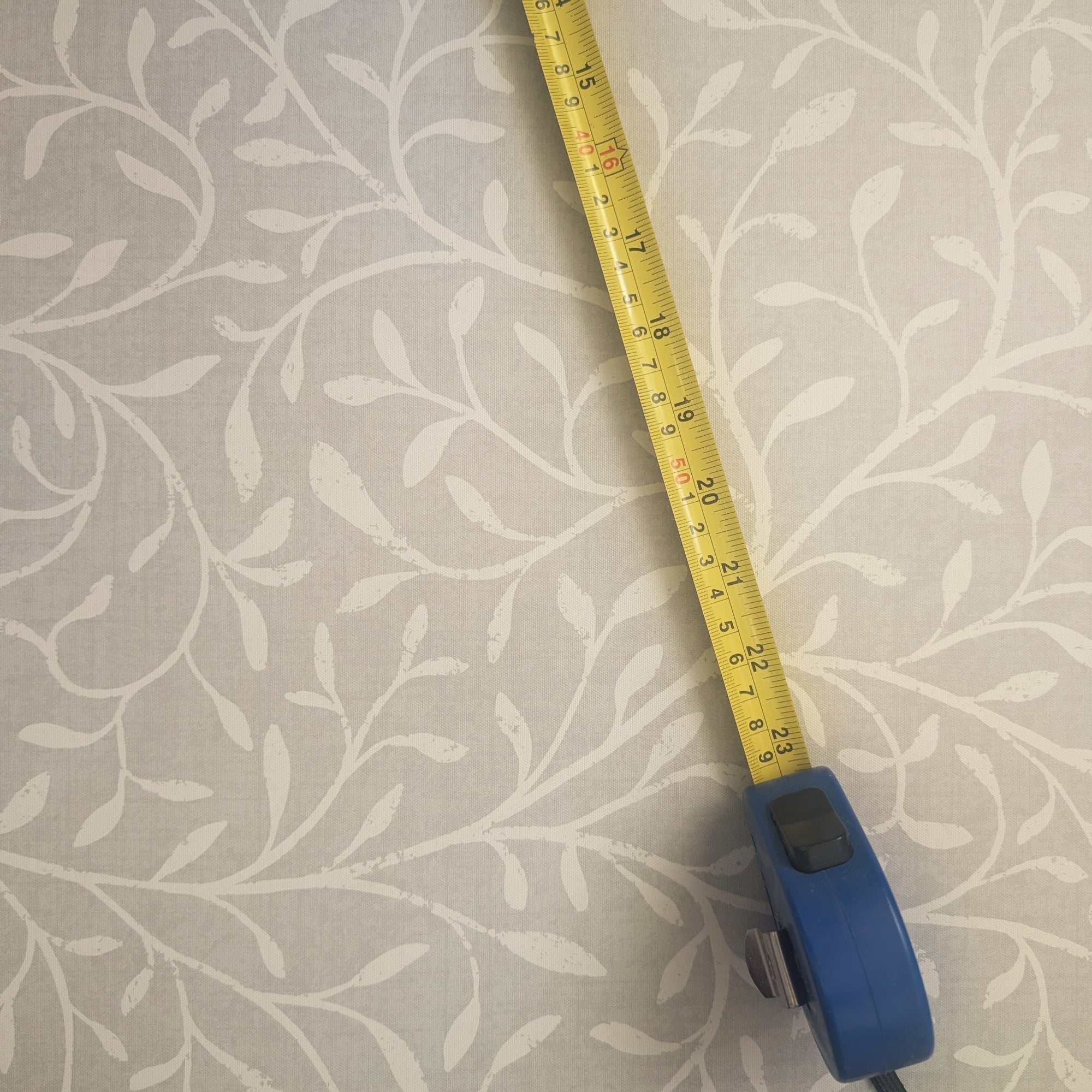
Getting the scale wrong. A pattern that looks perfect on a small screen can overwhelm a small room, or disappear in a big one. It's worth thinking about the right scale for your room before you commit.
Assuming every "traditional" is the same. Back to the first rule. Two papers with the same name can perform completely differently, so read the spec, not just the label.

How to picture it before you commit
The single best way to choose with confidence is to see the wallpaper in your own room before you order rolls. Order a sample and live with it for a few days, taping it up and looking at it in morning and evening light.
It's also worth remembering you're not stuck with the colour as it comes. Every one of my designs includes free colour customisation, so if a pattern is right but the shade is slightly off for your room, I can adjust it.
If you'd like the full walk-through of the buying side, from measuring your walls to working out how many rolls you need, my free Buy Wallpaper with Confidence guide covers all of it in one place, so you can order without second-guessing yourself.

The Practical Bits
How do I know what wallpaper is right for me?
Start with the room and how you live, not the pattern. Decide how long you want it up and whether the room gets humid, and that narrows the type straight away. Then choose a design you love, and sample it before committing.
Is it cheaper to paint or to wallpaper?
Paint is usually cheaper upfront. But good wallpaper lasts years, adds pattern and character paint can't, and on a single feature wall it often costs less than you'd think. It's less about cheapest and more about what the room needs.
Can I change the colours to suit my room?
Yes, and it's one of the real benefits of buying from the person who designs them. Because these are my own designs, I've got the freedom to adjust the colours to suit your space. Just ask.
Knowing how to choose wallpaper doesn't have to be stressful. Work out what suits your room and your life, read the spec so there are no surprises, and sample before you commit. Get those three right and the rest is just picking a pattern you love. If you'd like a hand deciding, just shout. It's genuinely part of what I do.

Written by Sara Cooper

Leave a comment
This site is protected by hCaptcha and the hCaptcha Privacy Policy and Terms of Service apply.